
What is mathematics? In short, mathematics is a universal science that studies numbers, symbols, shapes, and the relationships between them. However, mathematics is not just about the four operations; it is a systematic way of thinking that develops logical reasoning, problem-solving, and analytical thinking skills. Mathematical principles play a fundamental role in many areas, from daily life to science, technology, and economics.
When asked, “What is mathematics?”, the effort to understand order and patterns should also come to mind. Symmetry in nature, proportion in architecture, financial calculations, and software algorithms are concrete reflections of mathematical thinking. Thanks to its power to transform abstract concepts into clear results, mathematics is of critical importance in the academic world and in daily decision-making processes. Therefore, it is not just a subject, but a powerful discipline of thinking that is relevant in all areas of life.
What is Mathematics in a Nutshell?
Mathematics is a systematic field of science that enables thinking through numbers, symbols, shapes, and logical relationships. Although it appears as a mathematics course in school life, its scope goes far beyond that. It has a broad content structure ranging from basic operations to advanced analysis. As students progress at different levels, the classroom mathematics curriculum also gradually deepens and develops abstract thinking skills.
The mathematical topics encountered in the educational process vary from number systems to equations, functions to probability. In addition, geometry is an important subfield that examines shapes and spatial relationships. The transfer of theoretical knowledge to real life is made possible through applied mathematics. This field is actively used in disciplines such as engineering, economics, and technology. Mathematics books that support the learning process strengthen comprehension by addressing topics in a step-by-step manner.
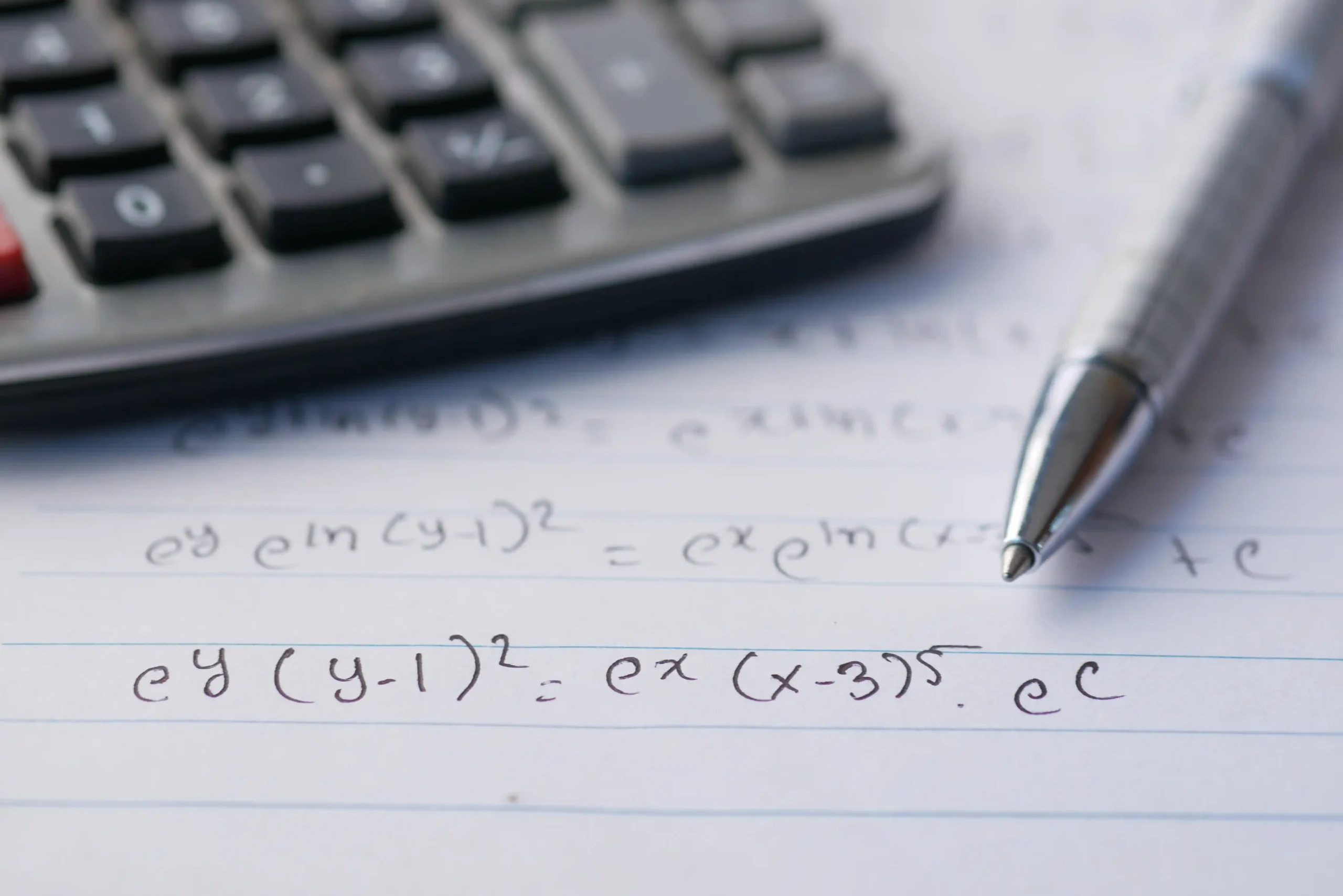
The basic characteristics of mathematics can be summarized as follows:
- It has a logic-based and systematic structure.
- It applies abstract concepts to concrete problems.
- It supports analytical and critical thinking.
- It facilitates decision-making processes in daily life.
A solid mathematical foundation increases an individual’s problem-solving capacity, enables disciplined thinking, and helps them evaluate complex situations encountered in different areas more consciously. Therefore, mathematics is not only one of the cornerstones of the educational process but also an indispensable mental skill used throughout life.
What is Mathematics, and What is it Used For?
Among other things, mathematics is necessary for making logical decisions, interpreting data, and establishing systems. While a university-level mathematics department focuses on abstract theories and advanced analysis techniques, the focus in basic education is on establishing a solid mathematical foundation. This foundation plays a critical role in achieving success in different disciplines in later years.
The process of learning mathematics requires regular repetition, problem-solving practice, and conceptual understanding. From a historical perspective, the history of mathematics encompasses a rich development process stretching from ancient civilizations to the present day. This process, ranging from counting systems to algebra, from analysis to modern data science, has progressed in parallel with humanity’s intellectual evolution. Today, the foundations of mathematics are based on building blocks such as logic, sets, and number theory.
The functions of mathematics can be summarized under the following headings:
- Systematically solving complex problems
- Modeling in scientific research
- Performing financial planning and data analysis
- Building the infrastructure of technological systems
In conclusion, mathematics is a fundamental science that disciplines thought and provides tangible benefits in many areas of life. A solid mathematical foundation strengthens an individual’s analytical perspective, enables them to establish cause-and-effect relationships between events more clearly, and facilitates the process of adapting to a changing world. Therefore, mathematics is a strategic thinking tool that guides every stage of life.