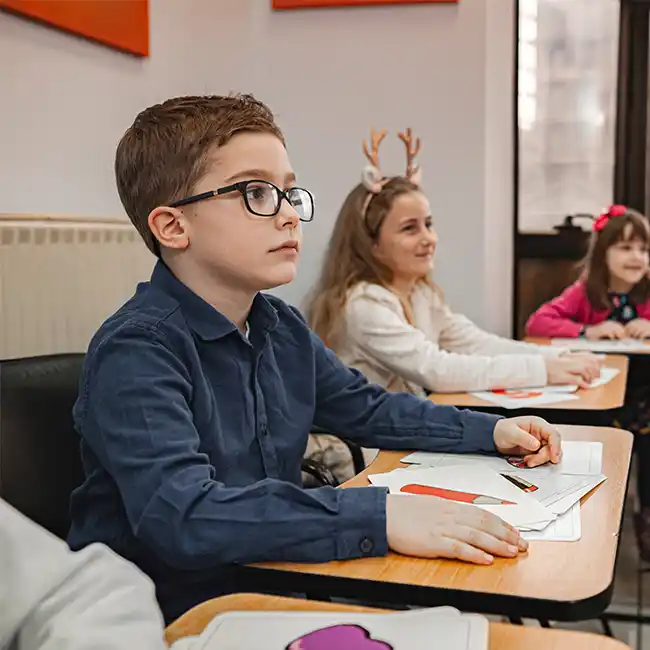
2nd grade division operation is an important stage in helping students develop foundational arithmetic skills. At this level, division is typically taught through the idea of separating items into equal groups or sharing them evenly, allowing children to make sense of real-life situations they may encounter. Using concrete examples, visual aids, manipulatives, and simple problem sentences helps students grasp the logic of division more comfortably. These supports transform an abstract mathematical concept into something they can observe and practice directly. In addition, frequent repetition and exposure to diverse question types help students increase their fluency and retain the topic more effectively. As students encounter division in different contexts, they begin to understand not just how to perform the operation but also when and why it is used.
2nd grade division operation also plays a meaningful role in shaping students’ long-term attitude toward mathematics. Through this skill, learners develop the ability to break a whole into equal parts and interpret the results with confidence. They also strengthen their understanding of essential ideas such as sharing, equality, quantity distribution, and the connection between parts and the whole. When supported with activity cards, game-based exercises, and level-appropriate worksheets, students naturally build stronger division skills. Such structured yet flexible materials give learners the opportunity to progress at their own pace, helping them experience success and build motivation. Over time, this positive learning cycle contributes to more confident problem-solving and a solid foundation for future math concepts.
2nd Grade Division Problems
The 2nd grade division test is closely related to the types of problems prepared to support students at this level in understanding the concept of division. This is because problems are the most important learning tools that connect the division operation to real life.
Students actively experience basic division logic, such as equal sharing, dividing objects into groups, and finding how many groups can be formed from a given total, through the problem-solving process. Presenting these problems through short, understandable, and concrete examples makes it easier for children, especially at the 2nd grade level, to correctly grasp the logic of the operation. Teachers modeling the problem-solving steps helps students understand both the order of operations and why they are doing what they are doing.
The types of problems students may encounter at this level significantly develop their logical thinking and organizational skills. Children who encounter different types of questions increase their processing speed and learn which method to use for division in which situation. The following sample problem types reinforce the topic:
- Problems involving distributing pencils or notebooks to an equal number of students
- Questions involving dividing a group of objects into equal parts in a specific number
- Examples of sharing and grouping taken from daily life
These types of problems make the subject permanent by strengthening both students’ mathematical thinking skills and practical problem-solving habits.
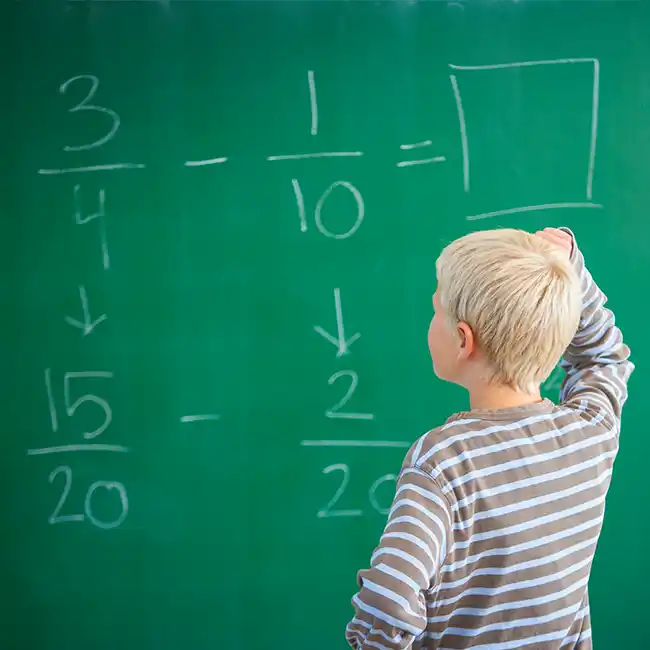
2nd Grade Division Activity
Grade 2 division activity games make the learning process more enjoyable for students by teaching division through play. The colored blocks, sharing cards, classroom group games, and drawing activities used in the activities help transform abstract concepts into concrete experiences.
Students experience the logic of division by dividing an object into equal parts through their own actions, which increases the permanence of learning. The teacher’s guidance during the activities helps students understand the steps of the process and clarify the relationship between sharing and grouping.
The activities also encourage students to work collaboratively, express their thoughts, and share problem-solving steps. Through various gamified activities, students perceive division not only as an operation but as a logical reasoning process. Examples of activities that support learning include:
- Equal grouping activities using colored blocks
- Interactive games based on sharing within the classroom
- Division drawings and poster activities with visual support
- Tasks that involve creating new division problems for students based on short stories
These activities make learning fun and increase the student’s interest in division.
2nd Grade Division Practice
Grade 2 division practice exercises are among the fundamental activities that help students strengthen their understanding of division logic through regular practice. The exercises are typically arranged from easy to difficult and aim to develop both procedural skills and problem-solving abilities.
Through exercises, students better understand the sharing and grouping aspects of division and gain the ability to interpret when division should be performed. The visuals, object models, and short instructions used in the exercises contribute to a more comfortable understanding of the subject.
Short reviews done at home by families also increase the effectiveness of the exercises. As students practice operations regularly, they become faster and reduce their margin of error. Diversifying the exercises ensures that students are prepared for different types of questions. Commonly used exercise examples in this type of work are as follows:
- Basic division operations (12 ÷ 3, 15 ÷ 5, etc.)
- Grouping objects and performing division on a model
- Solving short problem statements and interpreting the result
- Simple everyday life questions that demonstrate the concept of division
These exercises are important learning tools that develop the student’s basic division skills in a regular and systematic manner.