The multiplication table is one of the cornerstones of mathematics education and makes it easier to understand the relationship between numbers, especially at the elementary school level. This table, which shows how numbers multiply using the logic of repeated addition, increases students’ mental processing speed and contributes to the development of their four arithmetic skills. Through regular repetition and daily practice, the multiplication table becomes permanent and offers a significant advantage in the problem-solving process.
The multiplication table is not just a list to be memorized, but also a learning tool that supports logic and relationship recognition skills. When learned through visual tables, rhythmic counting exercises, and game-based activities, it becomes more understandable and enjoyable for children. Multiplication, used in many areas of daily life from shopping to time calculations, can be done faster and more accurately thanks to the multiplication table. Therefore, this skill acquired at an early age plays an important role in strengthening the relationship with mathematics.
Multiplication Table PDF
When presented in PDF format, the multiplication table becomes a practical learning tool for both students and parents. These files, which can be used digitally or in print, facilitate regular and systematic repetition. Especially in home study, seeing the multiplication table collectively on a single page helps children understand number relationships more clearly. PDF files support the learning process by reducing distractions thanks to their colorful designs and simple tables. Students can review these materials by pasting them into their notebooks or viewing them on a tablet, allowing them to practice in any environment.
Memorizing multiplication tables can be challenging for most students. However, regular repetition, visual aids, and small exercises make this process easier. PDFs prepared with easy memorization methods, in particular, speed up learning by grouping numbers and highlighting repeated multiplications. Short daily practice sessions are much more effective than long but irregular sessions.
Here are some points to consider when using PDFs to support learning:
- Presenting numbers in a clear and simple table
- Using colors in a way that does not distract
- Short daily reviews using the same table
- Including examples that encourage logical reasoning rather than memorization
Multiplication table PDFs prepared using this approach strengthen the student’s relationship with mathematics, increasing their confidence in this area and making learning more permanent.
The Best Multiplication Table
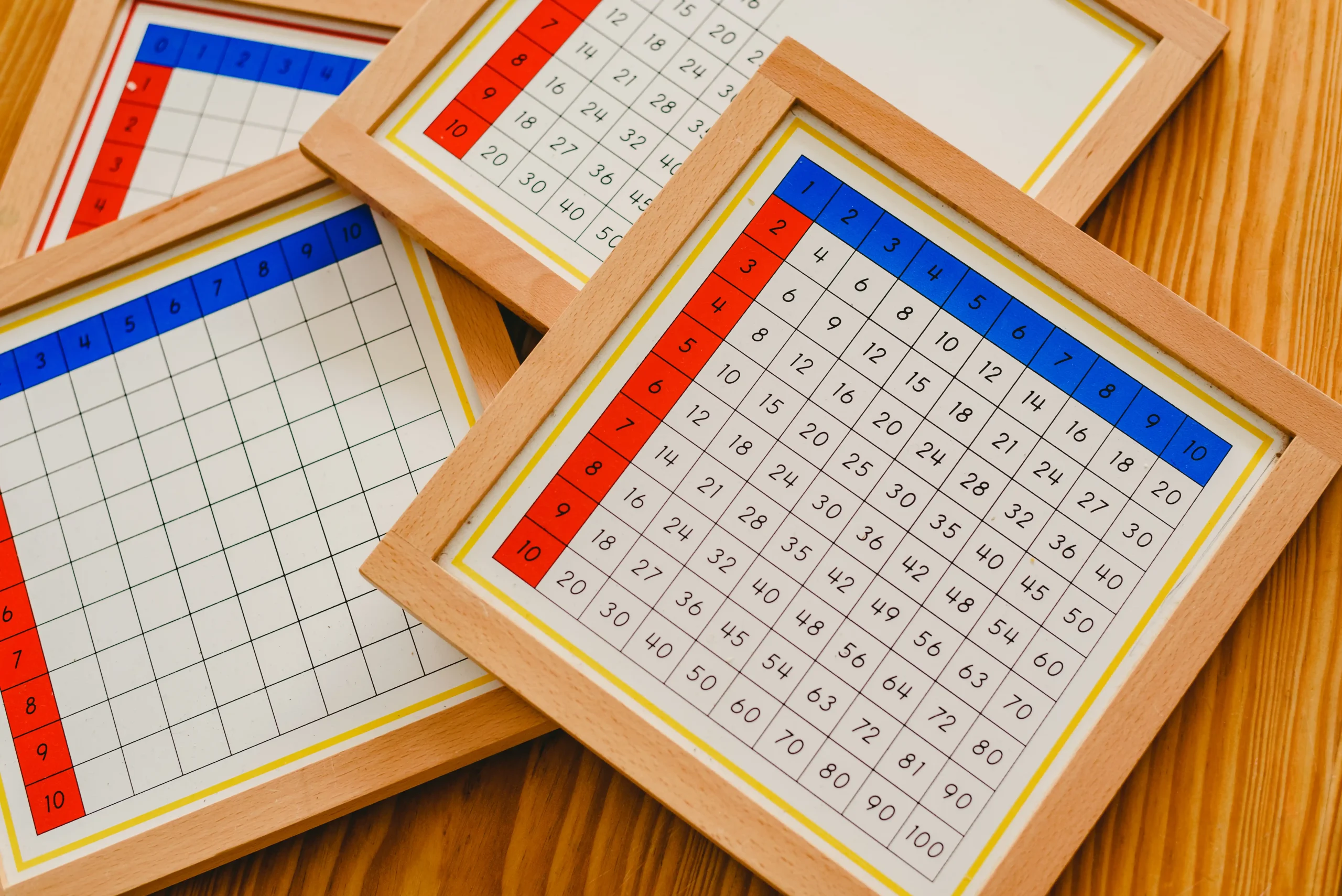
The best and most ideal multiplication table consists of balanced materials in terms of visuals and content, prepared according to the student’s age and learning level. Tables used at the elementary school level, in particular, should be simple, understandable, and eye-catching, as this directly affects the learning process. Instead of complex and crowded designs, tables that clearly show the numbers make it easier for students to focus. This approach also contributes to the development of a positive attitude towards mathematics.
Each age group memorizes multiplication tables differently. For example, multiplication tables prepared for third-grade students should take into account their learning speed and attention span. Children in this age group learn faster with colorful but simple tables because they actively use their visual memory. At the same time, tables supported by rhythmic repetition and small exercises make it easier to understand the logic of multiplication . It is crucial that the multiplication table is presented not just as a list to be memorized, but as a tool that shows the relationship between numbers.
An effective multiplication table should have the following features:
- Numbers arranged in a regular and symmetrical manner
- Avoidance of unnecessary visual clutter
- Support with examples appropriate to the student’s level
- A layout conducive to daily review
The most beautiful multiplication table with these features increases the student’s interest in math class, making the learning process more enjoyable.
Multiplication Table from 1 to 10
The multiplication table from 1 to 10 forms the basis of multiplication and is one of the most important topics in elementary school mathematics. Thanks to this table, students learn step by step how numbers are multiplied. Starting with small numbers makes it easier to grasp the logic of multiplication and also provides a solid foundation for more advanced topics. Therefore, learning the multiplication table at an early age using the right methods directly affects mathematical success.
Multiplication table instruction in elementary school, for example at the 2nd grade level, should be supported with visual and concrete examples. Multiplication exercises using objects help numbers become less of an abstract concept. Students can relate the multiplication operation to daily life through repetitive counting and small problems. This approach helps make learning more permanent.
Methods that can be applied when learning the multiplication table from 1 to 10 are as follows:
- Progressing gradually by starting with smaller numbers
- Doing short daily reviews
- Using visual charts and cards
- Reinforce knowledge with simple problems
Learning the multiplication table using these methods develops the student’s mathematical thinking skills and creates a strong foundation for topics they will encounter in future grades.